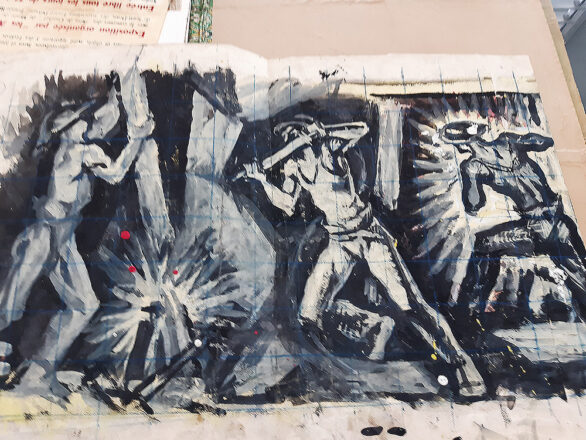
un premier grand amour
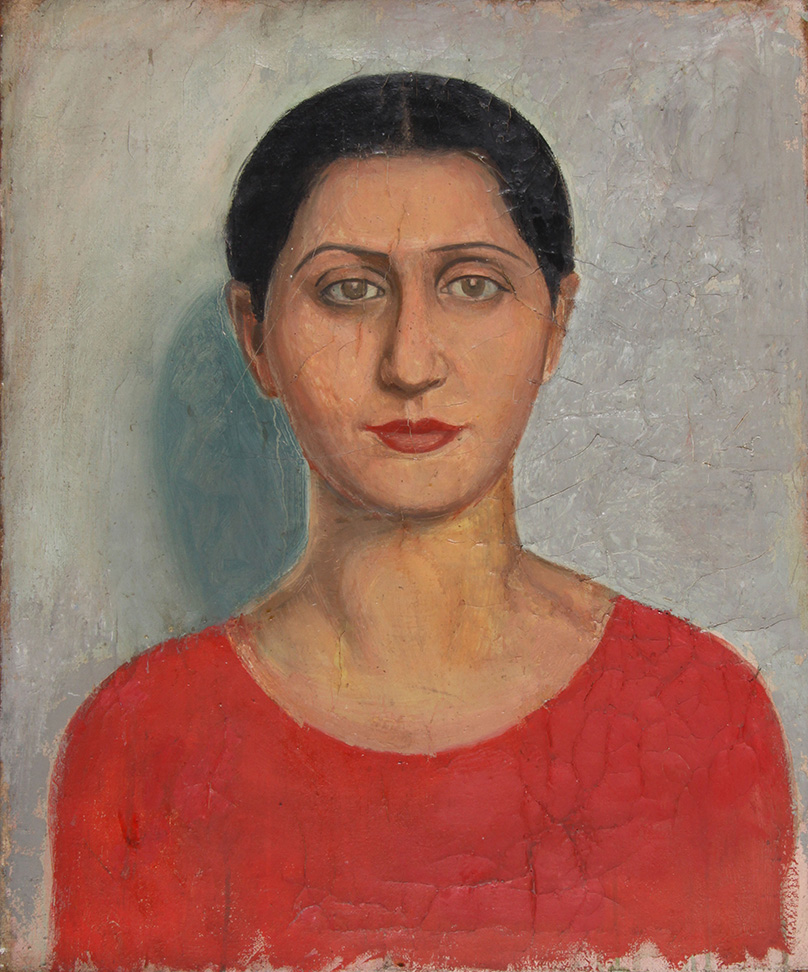
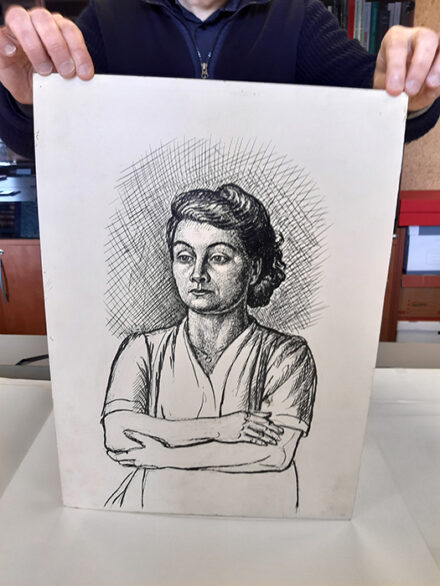
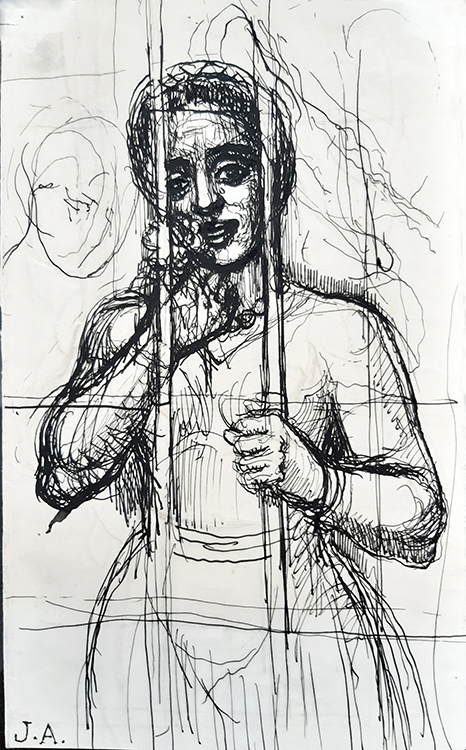
Portrait de Chana Kowalska par Jean Amblard
Encore étudiant aux Beaux-Arts, Jean Amblard rencontre Chana Kowalska, modèle à Montparnasse, à la fin des années 1920. Son premier grand amour.
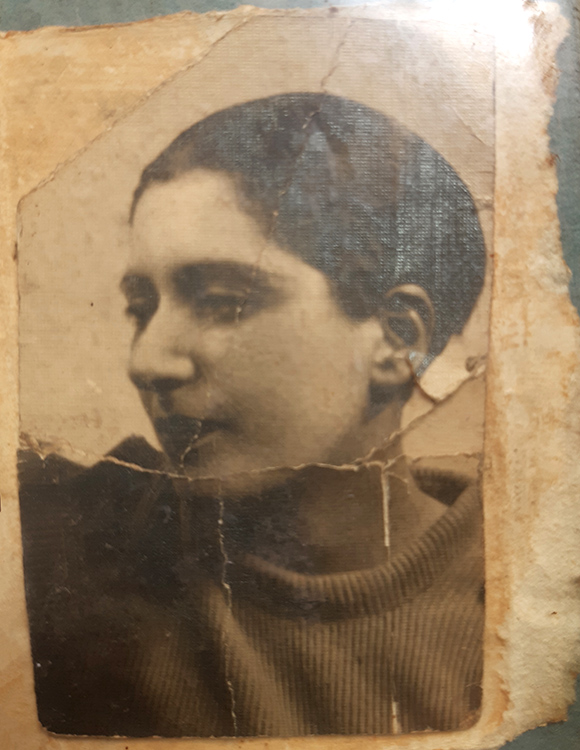
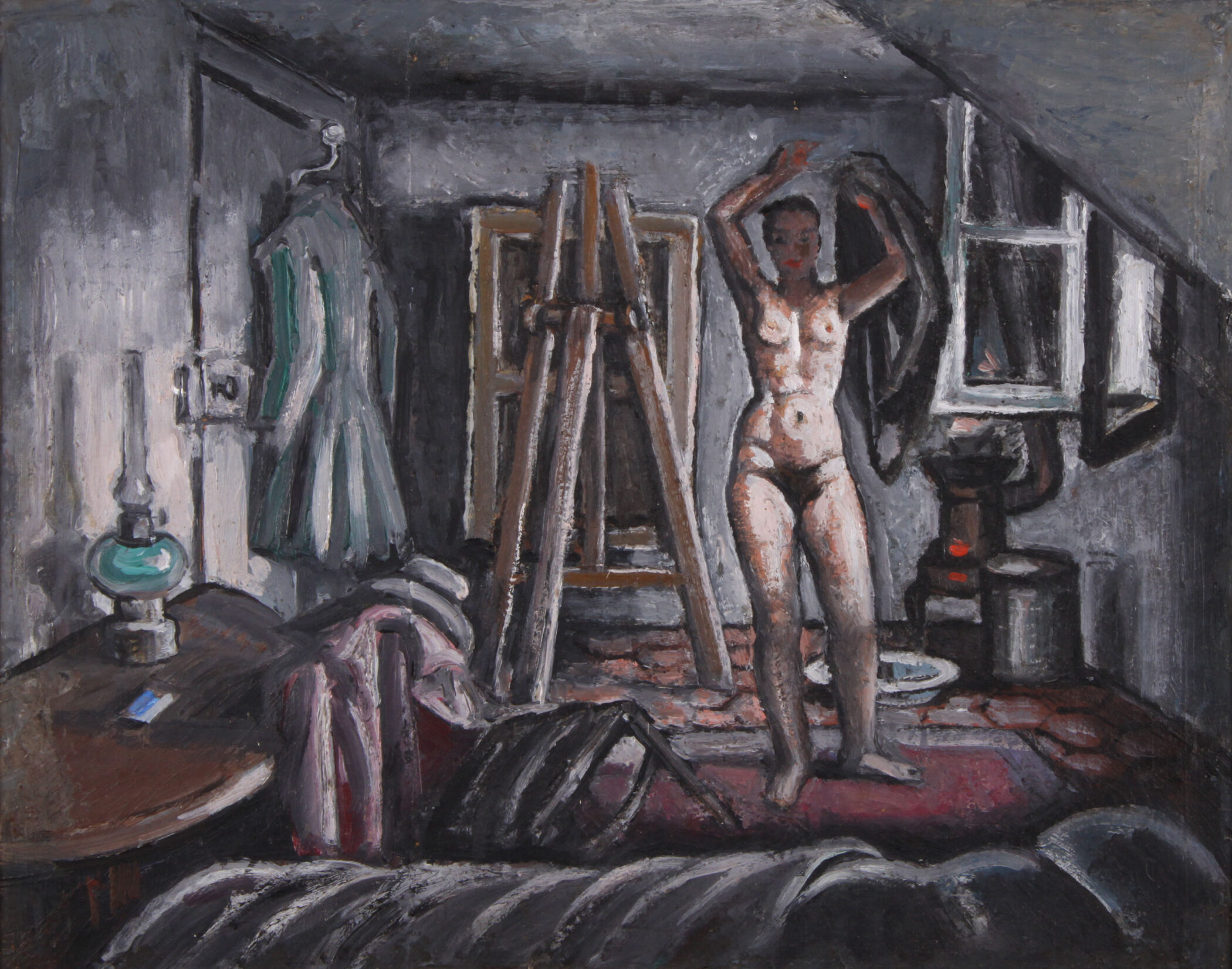
Née en 1899 à Wloclawek, alors dans l’Empire russe, Chana est fille d’un rabbin éclairé, sénateur à la diète polonaise. Partie étudier la peinture à Berlin en 1922, elle y a épousé Baruch Vinogura, critique d’art et poète.
Ils se sont installés à Paris en 1926, dans une grande précarité. Elle adhère au Parti communiste et à la branche juive de la Main-d’œuvre immigrée (MOI). Artiste peintre, elle est aussi journaliste dans la presse yiddish, notamment pour la Naye Presse et donne des cours d’histoire de l’art aux ouvriers avec la Kulturligue.
La Kulturligue fut fondée à Kiev en 1918, pour « aider à créer une nouvelle culture laïque yiddish, dans la langue yiddish sous des formes nationales juives, avec les forces vives des larges masses juives, dans l’esprit d’œuvrer en harmonie avec les idéaux du futur. » Ses trois piliers sont : « Éducation yiddish pour le peuple, littérature yiddish, art juif. » La Kulturligue aide au parrainage d’écoles, aux créations de bibliothèques, d’institutions culturelles et éducatives, etc. Elle est présente à Varsovie, Berlin, Paris…
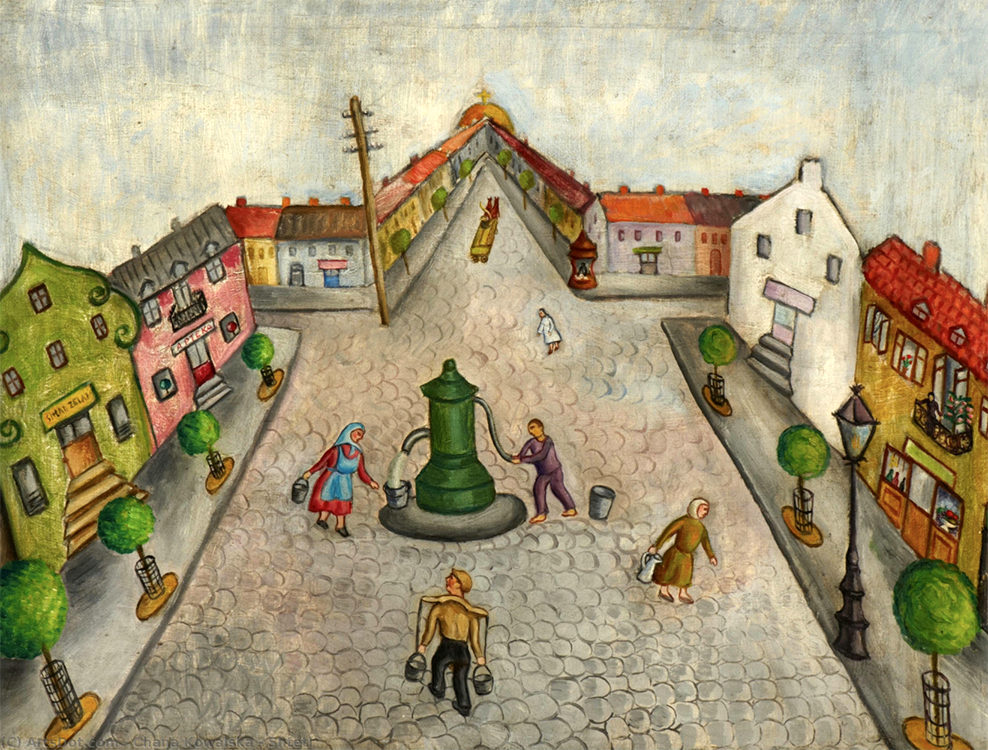
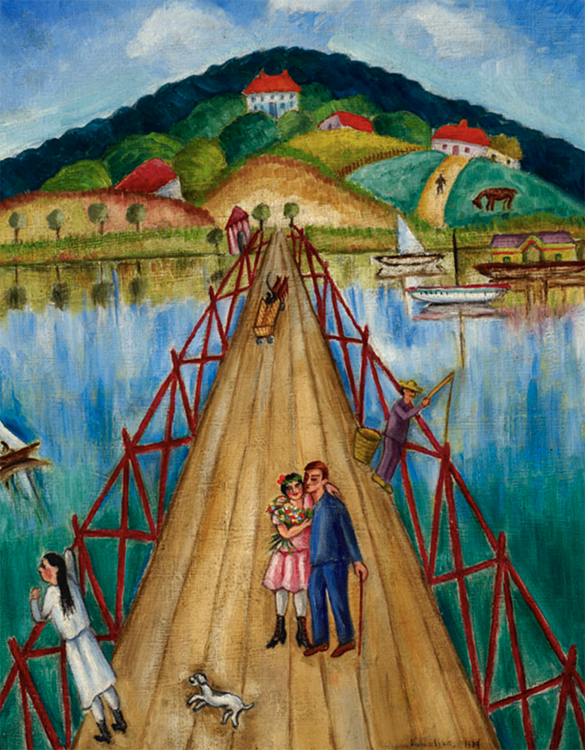
En 1937, en marge de l’Exposition universelle, elle participe à l’organisation, à Paris, du Congrès mondial de la culture yiddish qui fonde l’Union de la culture juive (YKUF). Elle dirigera la galerie d’art ouverte par l’Association des beaux-arts de sa section française, où exposeront nombre d’artistes juifs, dont Chagall et Soutine.
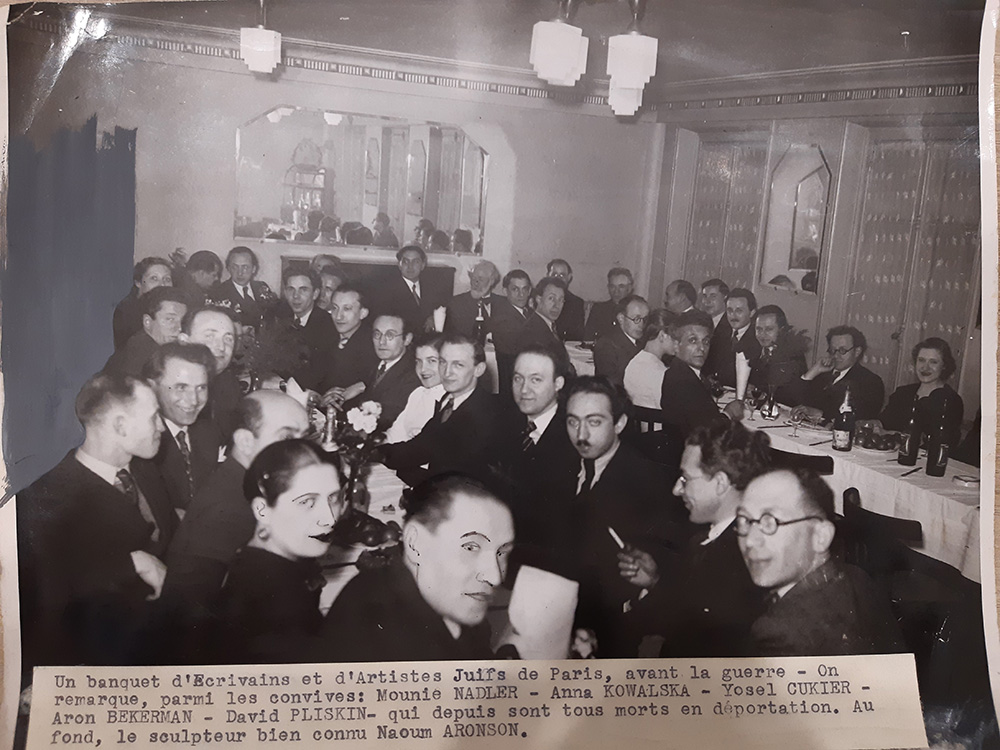
Jean Amblard partage son atelier de la rue d’Orchampt avec Chana. C’est là qu’il la retrouve, de retour à Paris après sa démobilisation, en 1940. Ils feront partie des artistes résistants. Elle avec la branche juive de la MOI, lui avec le Front national des arts contre le fascisme.
Chargée d’organiser les groupes de jeunes, elle fait partie des fondateurs clandestins des FTP-MOI.
Chana refuse de cacher qu’elle est juive. Fièrement, comme la mère de Boris Taslitzky et tant d’autres, elle se fera enregistrer comme telle avec son mari, conformément aux lois antijuives du régime de Pétain, tout en poursuivant son action clandestine.
Après l’arrestation de son mari à leur domicile en décembre 1941, Jean Amblard fait plusieurs fois son portrait et tente de la convaincre de ne pas le rejoindre. En vain.
Arrêtée, Chana sera détenue comme son mari à la prison de la Santé, puis transférée à la caserne des Tourelles, transformée en prison. Elle parvient à prévenir Jean Amblard, qui tente vainement de l’aider. Il lui rend visite le plus souvent possible.
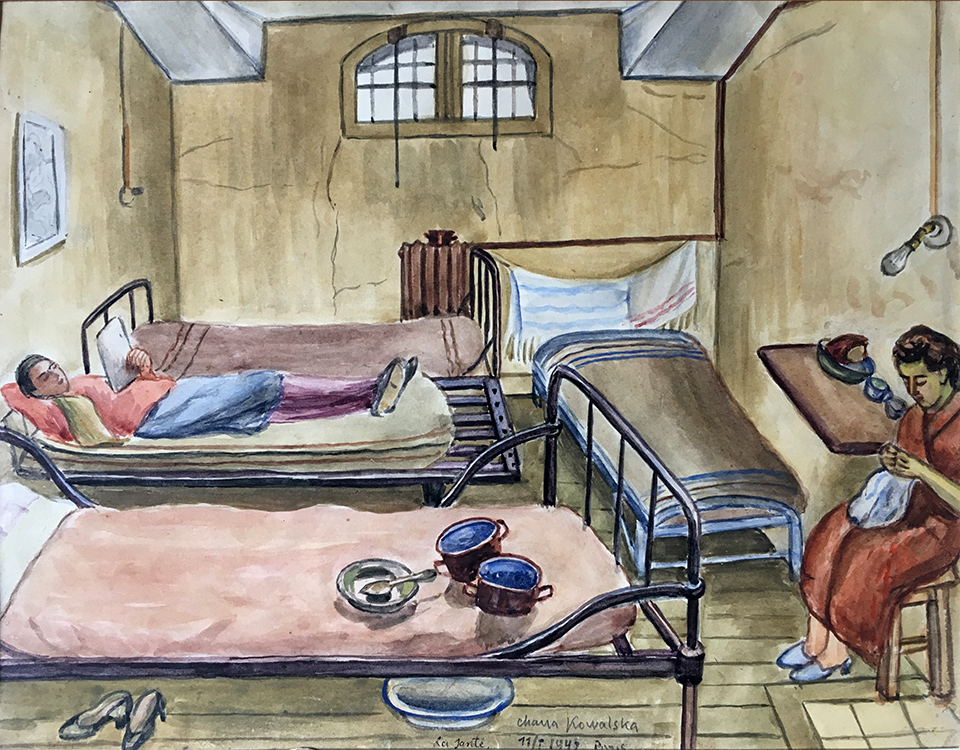
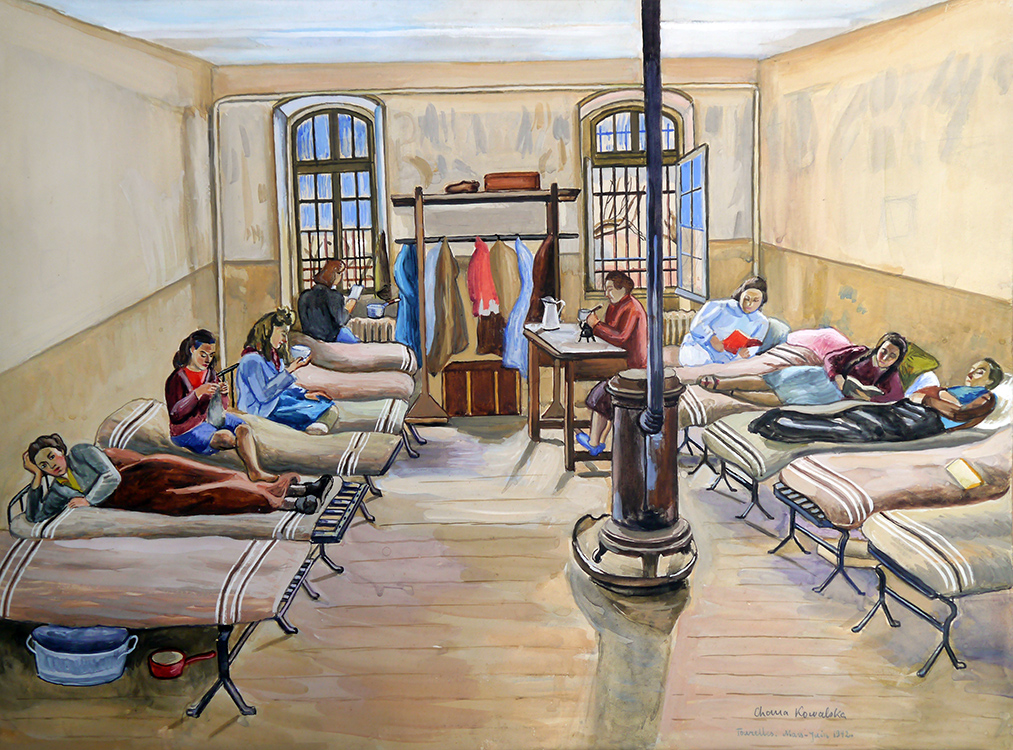
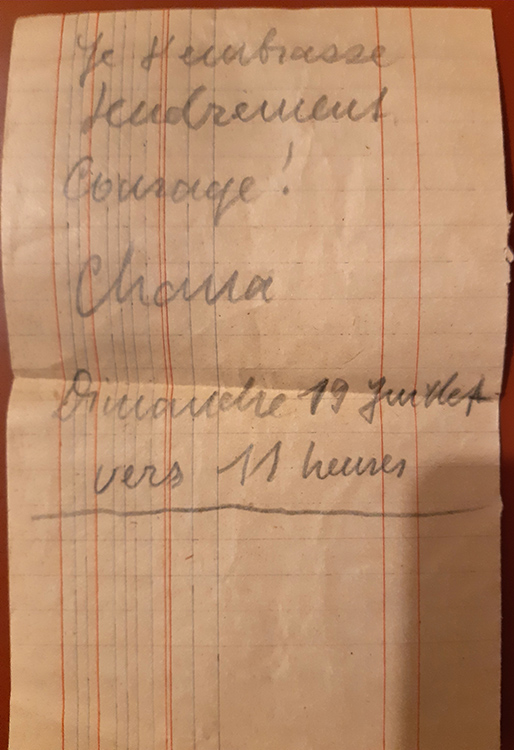
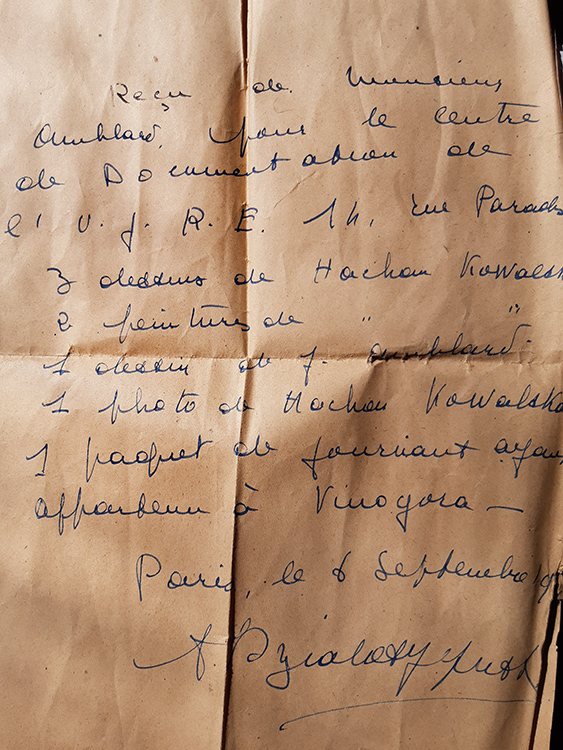
Régulièrement, elle lui écrit en français. Ces lettres ont été retrouvées. Désormais propriété du Mahj, elles y sont exposées jusqu’à la fin de 2027.
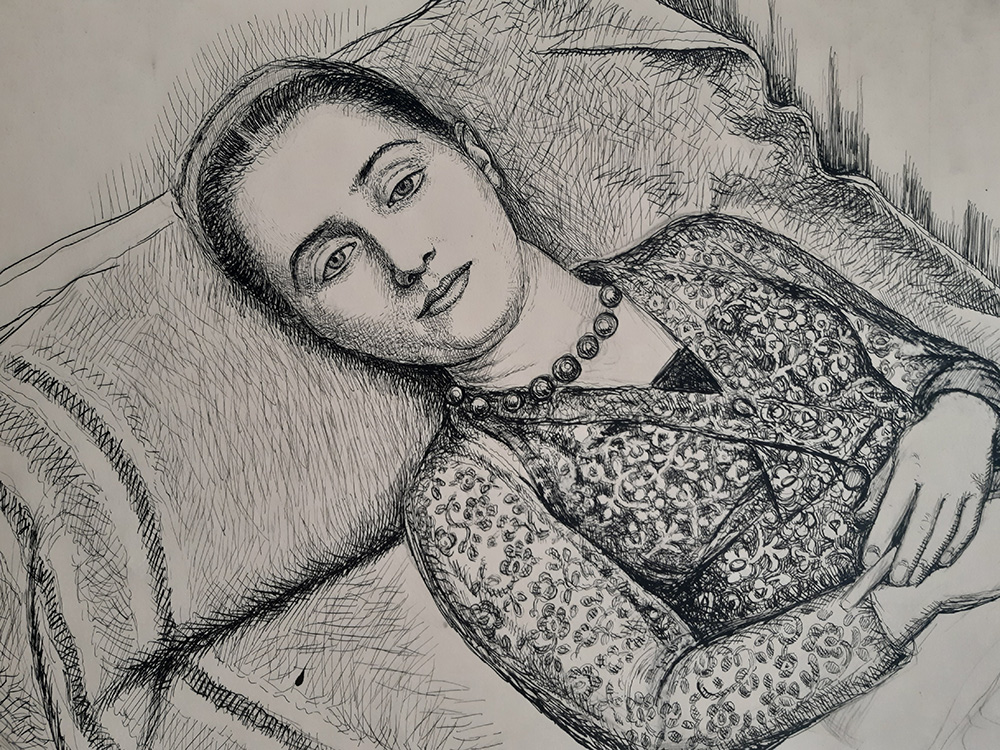
Un portrait de Chana, dessiné par Jean Amblard peu après la réception de sa dernière lettre datée du 19 juillet 1942, accompagne cette présentation. Deux mois après son arrivée, Chana Kowalska fut assassinée à Auschwitz.
Jetée d’un train partant vers l’Est, cette lettre fut remise à Jean Amblard par un cheminot.
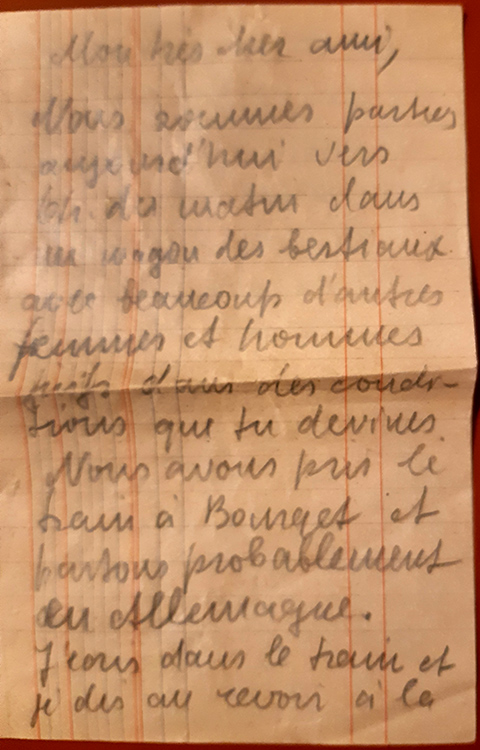
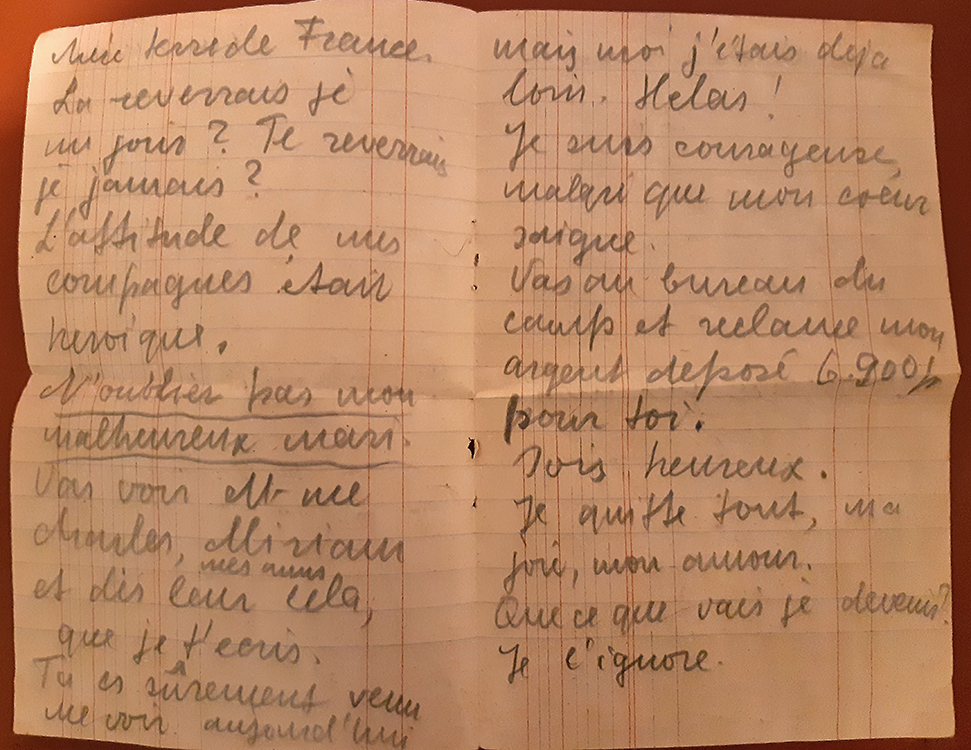
Chana Kowalska
While still a student at the Beaux-Arts, Jean Amblard met Chana Kowalska, a model in Montparnasse, in the late 1920s. She was his first great love.
Born in 1899 in Wloclawek, then part of the Russian Empire, Chana was the daughter of an enlightened rabbi and senator in the Polish Diet. She left to study painting in Berlin in 1922, where she married Baruch Vinogura, an art critic and poet.
They moved to Paris in 1926, living in great poverty. She joined the Communist Party and the Jewish branch of the Immigrant Labour Movement (MOI). A painter, she was also a journalist for the Yiddish press, notably for the Naye Presse, and taught art history to workers with the Kulturligue.
The Kulturligue was founded in Kiev in 1918 to « help create a new secular Yiddish culture, in the Yiddish language in Jewish national forms, with the driving forces of the broad Jewish masses, in the spirit of working in harmony with the ideals of the future. » Its three pillars are: ‘Yiddish education for the people, Yiddish literature, Jewish art.’ The Kulturligue helps to sponsor schools, create libraries, cultural and educational institutions, etc. It is present in Warsaw, Berlin, Paris, etc.
In 1937, on the sidelines of the World’s Fair, she helped organise the World Congress of Yiddish Culture in Paris, which founded the Union of Jewish Culture (YKUF). She ran the art gallery opened by the French section of the Association des Beaux-Arts, where many Jewish artists, including Chagall and Soutine, exhibited their work.
Jean Amblard shared his studio on Rue d’Orchampt with Chana. It was there that he found her, back in Paris after his demobilisation. They became part of the resistance movement. She joined the Jewish branch of the MOI, while he joined the National Front of the Arts Against Fascism.
Responsible for organising youth groups, she was one of the clandestine founders of the FTP-MOI.
Chana refused to hide the fact that she was Jewish. Proudly, like Boris Taslitzky’s mother and so many others, she registered as such with her husband, in accordance with the anti-Jewish laws of the Pétain regime, while continuing her clandestine activities.
After her husband was arrested at their home in December 1941, Jean Amblard painted her portrait several times and tried to convince her not to join him. In vain.
Arrested, Chana was detained like her husband at the Santé prison, then transferred to the Tourelles barracks, which had been converted into a prison. She managed to warn Jean Amblard, who tried in vain to help her. He visited her as often as possible.
She wrote to him regularly in French. These letters have been found. Now owned by the Mahj, they are on display there until the end of 2027.
A portrait of Chana, drawn by Jean Amblard shortly after receiving her last letter dated 19 July 1942, accompanies this presentation. Two months after her arrival, Chana Kowalska was murdered in Auschwitz.
Thrown from a train heading east, this letter was given to Jean Amblard by a railway worker.